Creating Career Pathways
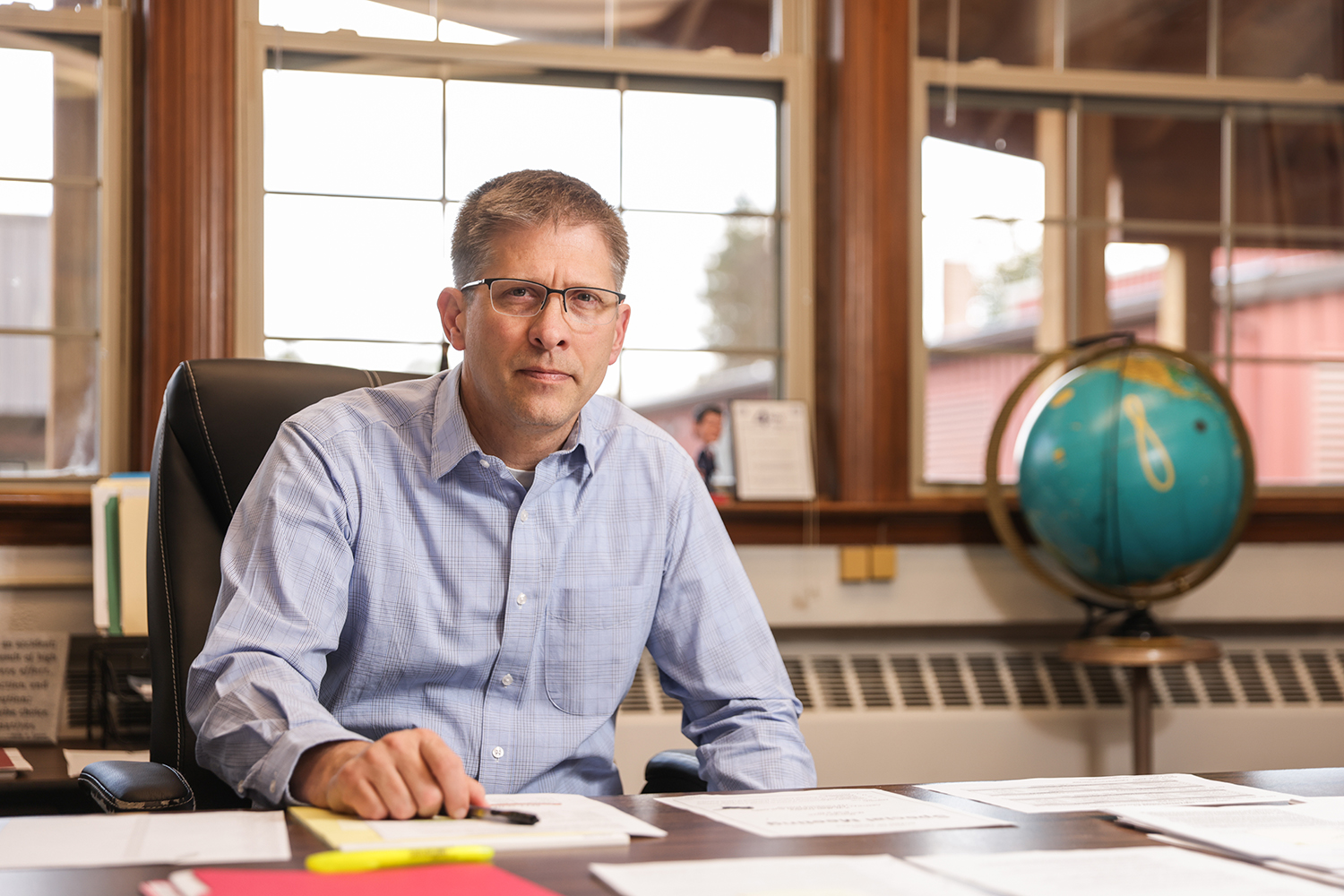
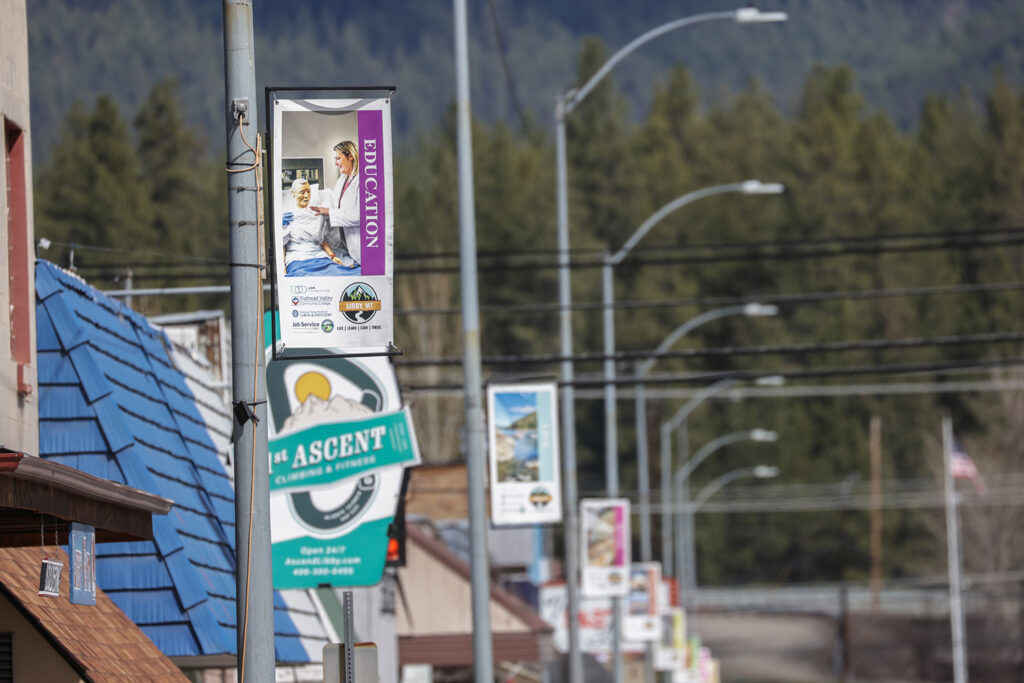
As an engagement strategist for the Montana Department of Labor and Industry, Janelle Kimberlin serves as a bridge between business owners and workers, teaming up with both to strengthen Libby’s workforce. In 2023, she hosted a series of meetings to identify Libby’s workforce challenges and training opportunities. She walked away with an idea: Libby had economic and educational tools, but local awareness and collaboration were missing. So, she approached the city of Libby about creating a local industry campaign. With funding from LOR, Kimberlin and the city printed more than a dozen banners and posters highlighting careers in Libby, hanging them on light posts around town and at Libby Middle High School. They also organized Libby’s first workforce expo, bringing nearly 1,000 students, job seekers, and local employers together to network and learn.
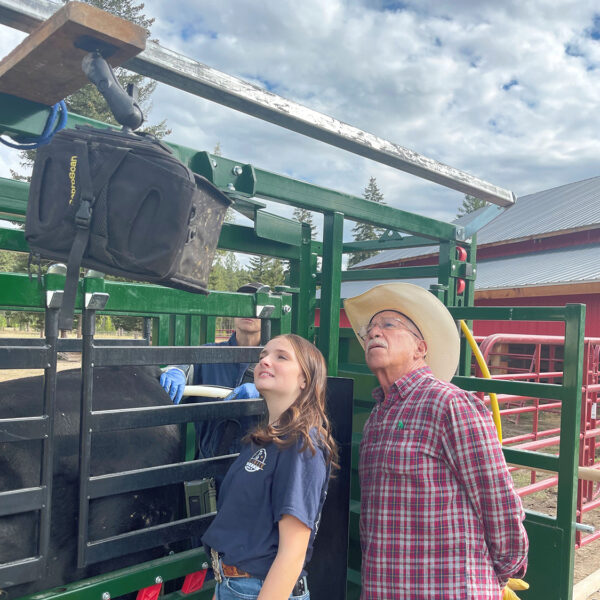
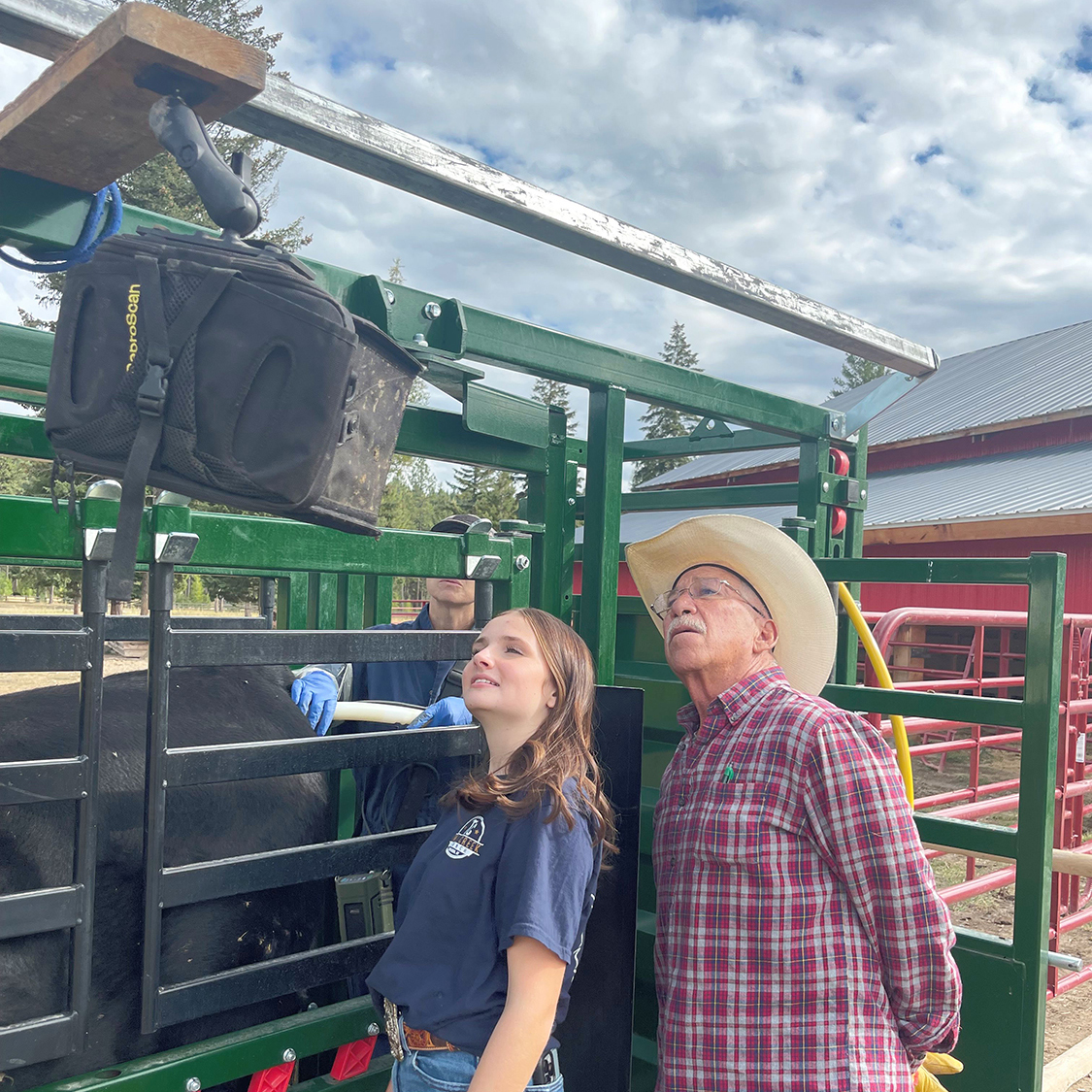
A local rancher and South 40 4-H club member watch a vet perform an ultrasound on a pregnant cow. LOR’s funding helped South 40 4-H purchase a mobile cattle chute so club members could learn how to safely handle large animals, administer vaccines, and prepare for careers in agriculture. (Courtesy of Kara Matthews)
Since then, Kimberlin has launched two more CTE projects with LOR’s support, including a hospitality workforce training program that the Montana Department of Labor and Industry has scaled to seven other rural communities across eastern Montana. The program has not only helped fill open jobs but improved cross-generational communication and dialogue between business owners and workers. “These are small businesses that do what they can, but they can only do so much,” Kimberlin says. “Having LOR in the community has helped us immensely.”
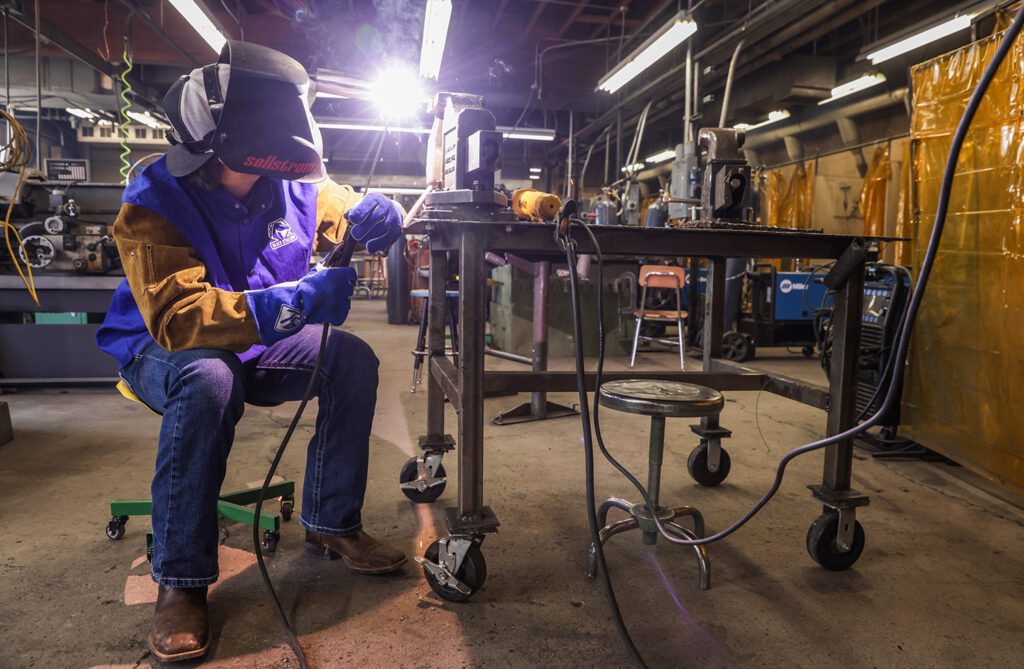
While Libby Middle High School and the Montana Department of Labor and Industry continue to invest in formal CTE programs, others like the South 40 4-H club have turned to informal career training. Led by local mom Kara Matthews and her daughters, the club aims to prepare Libby’s next generation of ranchers and farmers. Over the last three years, South 40 4-H has purchased a mobile cattle chute, built a portable livestock stall system, and launched new summer after-school programs with funding from LOR. The portable stall system allows students to show animals like pigs and sheep at the local county fair, while the cattle chute helps them safely handle large animals and administer vaccines—invaluable experience for kids set to take over family ranches or pursue other careers like veterinary medicine. The community is benefitting in other ways, too; in early March, South 40 4-H received a call late in the evening from a local rancher who had a breech calf. Matthews and other 4-H volunteers quickly loaded the chute and took it to the distressed cow for a successful birth.
South 40 4-H provides participants with essential skills, Matthews says. Even those who ultimately find jobs outside of agriculture still know how to manage budgets and clearly communicate. Like many in Libby, Matthews hopes the club’s programs can offer local kids the skills they need to succeed in life—and hopefully stay in Libby. “It’s all about helping kids find what interests them, help[ing] them find that spark,” she says. “And hopefully they can take that interest and build a career where they can succeed in their own community.”