

Stories
Research Project Creates a State-Wide Map of Local News for MontanaBy Ilana Newman, The Daily Yonder Read more
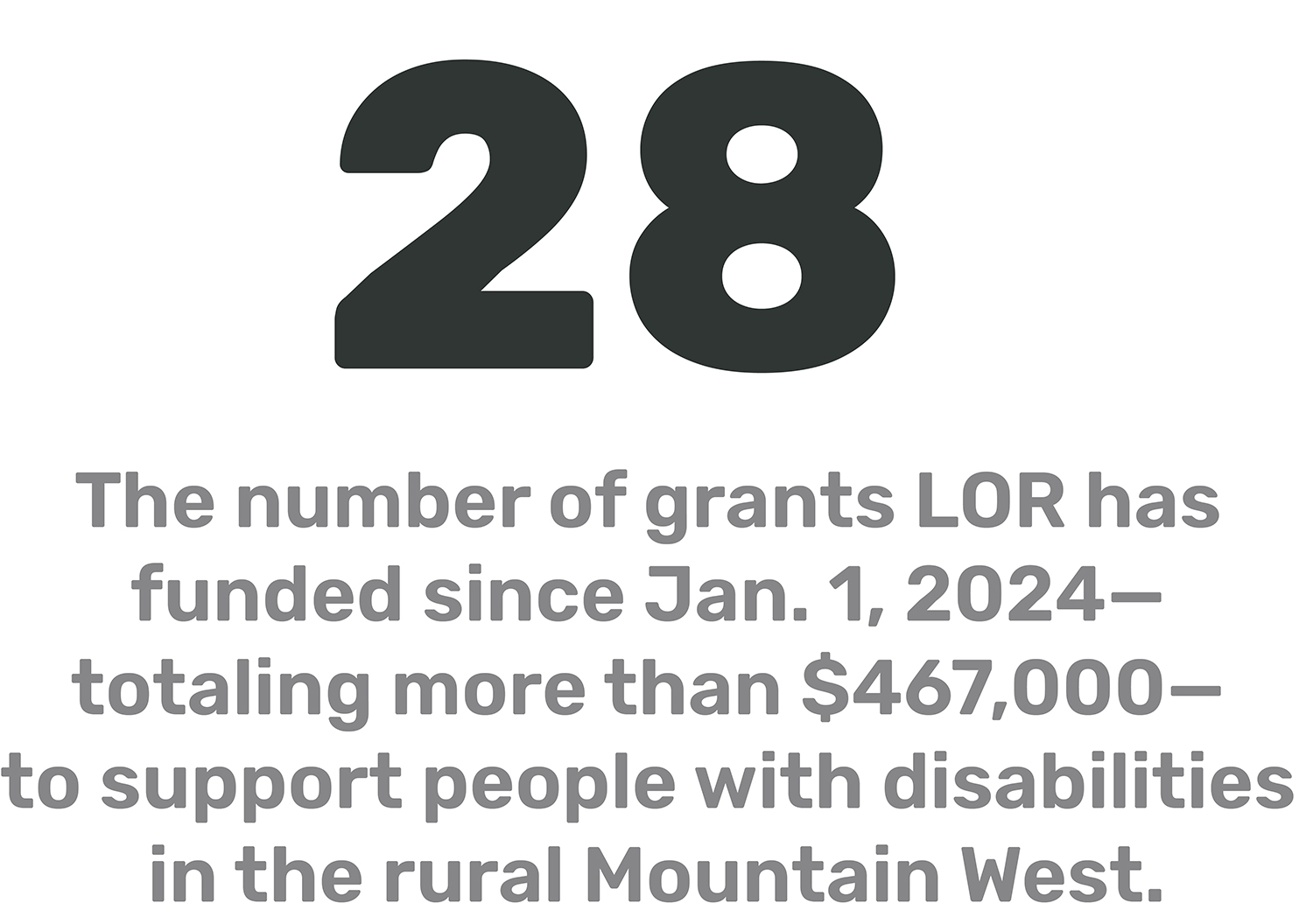
Amber Peckham-Jones, a Lander mom and advocate, has made it her mission to make life better for those with disabilities in Lander. With LOR's support, she has led three community projects, becoming a dedicated champion and leader. (Photo by Kristy Cardinal)
When Amber Peckham-Jones moved to Lander in 2020, the mother of two kids with cerebral palsy noticed a dearth of support for residents with disabilities. Many streets in the rural town lacked sidewalks, and simple tasks like going to the grocery store were challenging. For Peckham-Jones, who had moved from a Denver suburb, it was a new experience. But for many Lander families, the daily hurdles were not. Rural Americans have higher rates of disabilities, and those with them struggle to access health care or even attend community events. Peckham-Jones began making inquiries and asking other families about their needs. The more people she met, the more confident she became that she could make life easier not just for her kids but for all of those with disabilities in Lander. All she needed was a little help.
Since 2020, Lander locals have led nearly 450 community projects with more than $3.25 million invested by LOR. With the foundation’s support, Peckham-Jones helped Lander’s grocery stores purchase specialized grocery carts, launched a program to build modified ride-on cars for children with special needs, and established an independent youth Special Olympics program. Along the way, she became one of Lander’s devoted community champions. But Peckham-Jones is not alone. Time and time again over the last six years, LOR has seen local leaders emerge to help the Lander community. It’s a trend that will continue even as LOR prepares to leave Lander and begin working with Buffalo, Wyoming later this year.
 Last summer, the LOR Foundation and Gallup conducted a first-of-its-kind survey about rural leadership. The results were resounding: More rural Americans like Peckham-Jones want to become leaders in their communities. The problem? Many still face obstacles, including a lack of financial support and local collaboration. So, how can small towns and other organizations support those who want to make their communities better? We spoke to Peckham-Jones about how Lander residents have worked together to help those with disabilities, what prepared her to become a community leader, and what she and others need to sustain their work.
This transcript has been edited for length and clarity.
LOR Foundation: Navigating a disability is often more challenging in rural places. Why do those with disabilities in rural communities need more support?
Amber Peckham-Jones: Access to specialized medical care, therapy services, and inclusive programs is limited, often requiring families to travel long distances or wait extended periods for care. Transportation challenges, provider shortages, and a lack of accessible facilities can significantly impact daily life and delay critical services. I have seen firsthand how these barriers place added strain on individuals and caregivers.
LOR: How have you and other residents tried to make life better for those with disabilities in Lander? What difference have your projects made?
APJ: Lander residents will speak up when they see a gap. The biggest thing was finding people who cared and wanted to be present and help. I picked a lot of people’s brains to make it work. I started off with just seeing that there was a need, and I brought the idea to different people, different businesses, and volunteers who care enough to act.
We were able to get adapted carts into both our local grocery stores. That’s made a huge difference for families, caregivers, and the elderly. It gives them an opportunity to shop and still feel like they have worth in the community. And the adaptive-needs cars we worked on with the high school help families, but the process also helped the students build empathy for people in the community who have needs. And with the youth Special Olympics, now that they have the equipment they need, they can look forward to competing year after year.
LOR: How did you become a leader and voice for those with disabilities?
APJ: For me, it started at home. I was advocating for my kids behind the scenes. Then I noticed other people were doing things behind closed doors, too, so I started advocating for other parents. Our community was not the greatest with inclusion for special needs families, but I also knew I wasn’t the only one with kids who had needs. All the collaboration with community members strengthened my confidence to take on additional projects.
Teaming up with multiple people in the community is key; it helps us look bigger and more organized. If we use a collective voice, if we advocate as a coalition, we’ll have a higher chance of success.
LOR: What obstacles have you faced? And what do you think places like Lander need to do to get more people like you involved?
APJ: In reality, small towns have limited resources. A key barrier is funding, and many grants just aren’t geared toward people in rural communities [Editor’s note: In fact, despite 20% of Americans living in rural towns, only about 3% of philanthropic dollars reach rural communities.] And, because we’re so limited, the same people in the community are often being asked for help, which creates leadership fatigue. So the question becomes: How can we turn that around?
Every person who has come to LOR with a solution has learned something, and I think the foundation has built us up as a community and made us stronger. LOR taught us that collaboration and networking is the way you get things done. It’s up to us as a community to continue.
LOR: What’s your advice to people in other towns like Lander for launching and sustaining community work?
APJ: A big part of it is collaboration. It’s much harder when you’re working alone. Teaming up with multiple people in the community is key; it helps us look bigger and more organized. If we use a collective voice, if we advocate as a coalition, we’ll have a higher chance of success. At the same time, funders need to be aware that rural communities deliver high impact per dollar. We’re efficient. We’re collaborative. We reach people who often get overlooked. So, it might require us to tell this story: Yes, we’re a small town, but we can roar really loud.
Reach out to connect on important matters for your community or your organization.
A former librarian, Ami has long been energized by connecting people to essential resources. She loves to listen and dig deeper into what her community actually needs. Whether that’s information, a grant, or an introduction to other support systems, Ami… Meet Ami
Stories
Research Project Creates a State-Wide Map of Local News for MontanaBy Ilana Newman, The Daily Yonder Read more
Stories
Monte Vista Community Art Classes Provide a Creative Space for AllWith LOR's support, one Monte Vista local is on a mission to transform a former church into a hub for art and community. Read more
Stories
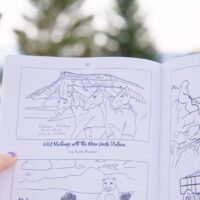
A Community Coloring Book Celebrates Cortez’s HeritageDespite a storied past, many residents lack a connection to Cortez's history and heritage. A community effort—and creative solution—has reconnected locals. Read more

Stories
A Coalition of Funders Supports Local Newsrooms Across AmericaBy Ilana Newman, The Daily Yonder Read more
If you have an idea for improving quality of life in Cortez or Monte Vista, Colorado; Lander, Wyoming; Libby, Montana; Questa or Taos, New Mexico; or Weiser, Idaho, use this form to start a conversation with us.
"*" indicates required fields